


Home care, assisted living, and a staged plan can sound like different answers. A functions-first comparison shows what each path must actually prove.
Read More

Equal shares do not answer every estate-planning question. See how purpose shapes transfer methods, responsibilities, and asset-specific review.
Read More

Retirement cost pressure can come from spending, care, family help, or timing. Identify the source and duration before choosing the response.
Read More

Build a later-life support team that protects the partnership, separates practical help from authority, and remains ready after the first death.
Read More
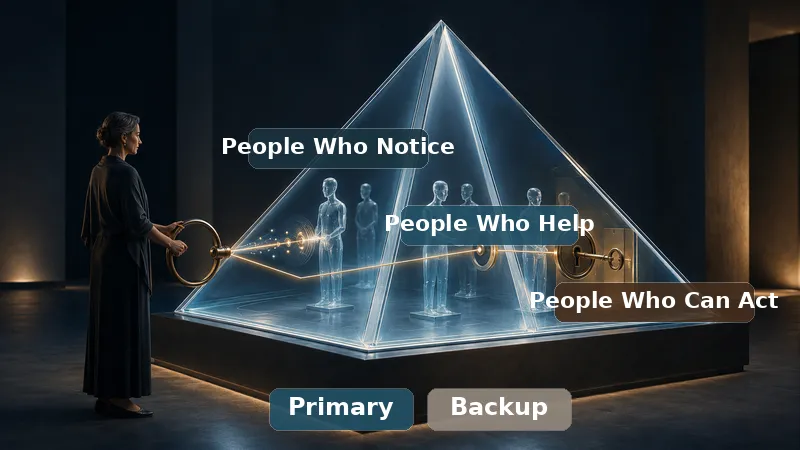
Build a later-life support team by defining each person’s role, authority, and backup.
Read More

See why each spouse needs separate legal and medical documents, distinct authority paths, and successors who can serve before a crisis.
Read More

Planning for two long-term care needs means testing each spouse separately, protecting the spouse needing less help, and preparing for overlap.
Read More

Connect the adult child's choices, benefits, roles, funding, and backups with a retirement plan that also protects the parents' future.
Read More

A retirement location should support daily life now and preserve workable choices if driving, health, support, or care needs change.
Read More

Compare spending now, giving during life, and leaving assets later after identifying what your retirement should preserve.
Read More

See why one-person retirement planning must make household finances and future support explicit.
Read More

A long-term-care plan should connect preferred settings with people, authority, funding, and backups before an urgent need narrows the choices.
Read More
